 Online Tool Store
· 2 min read
How to Track Shoe Mileage
Heshan Fernando
Co-founder & COO
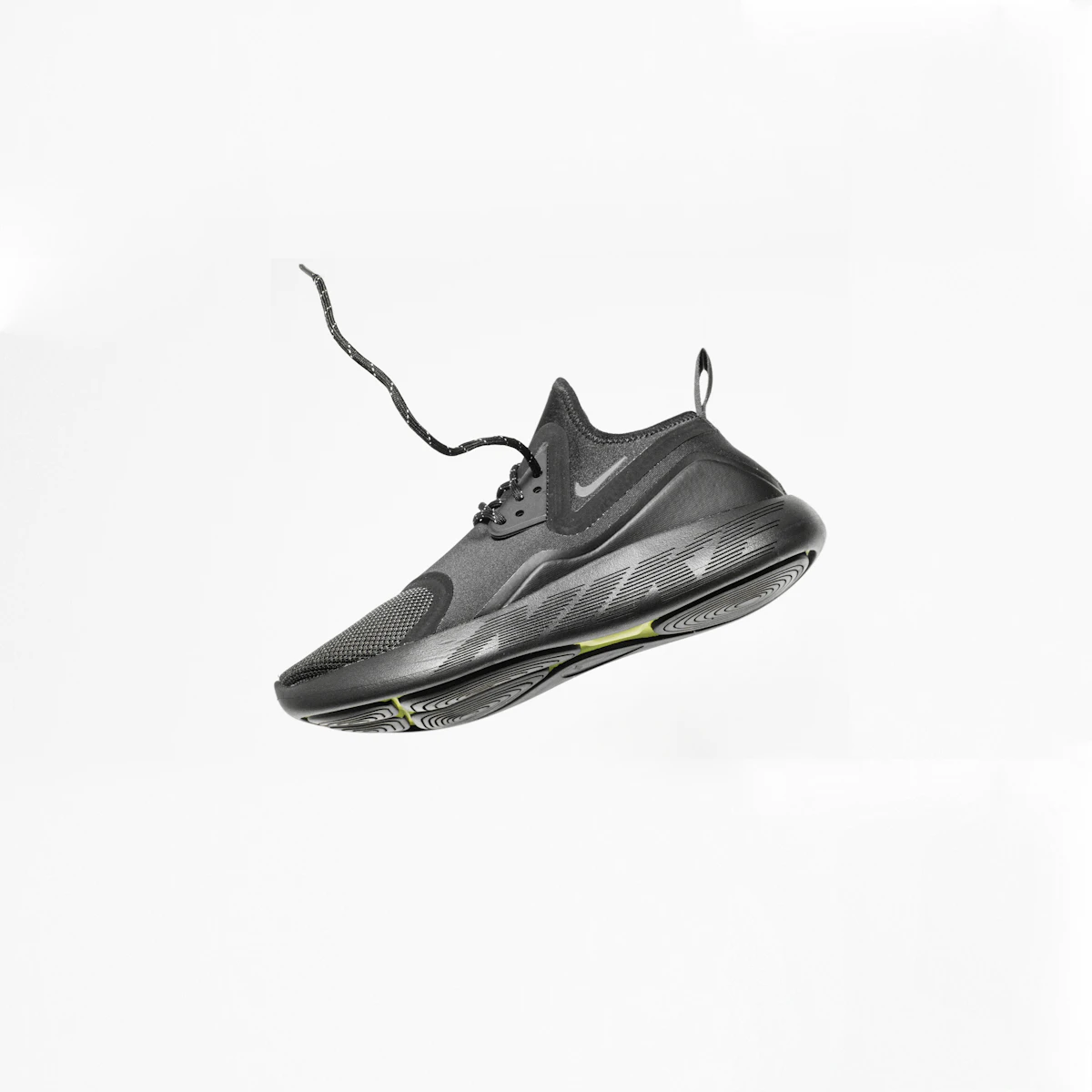
Running shoes do not last forever, and the number of miles on them matters more than how new they look. Once the cushioning starts fading, the mileage history becomes useful.
A shoe mileage tracker keeps that number from slipping through memory.
What shoe tracking actually involves
The goal is to add the distance from each run to the pair you used.
That gives you a running total that is easier to trust than a guess.
Why people get stuck here
- Mileage is easy to forget after several runs.
- One pair may be used more than another.
- The total matters more than the individual run.
- Memory is unreliable after a long training block.
What a good tracker looks like
The pair is clear
You should know which shoes the miles belong to.
The total is visible
The running mileage should be easy to read.
The log is simple to update
It should not take long to record the next run.
| Item | Why It Matters | Watch Out |
|---|---|---|
| Shoe pair | Identifies the gear | Mixing up pairs |
| Mileage | Tracks wear | Forgetting to add runs |
| Total | Shows retirement point | Losing the history |
Common mistakes to avoid
- Logging miles to the wrong pair.
- Forgetting short runs still count.
- Ignoring the cumulative total.
- Waiting until shoes are obviously worn out.
- Using memory instead of a running log.
How to do it with Shoe Mileage Tracker
Online Tool Store’s Shoe Mileage Tracker keeps the running total in the browser.
- Open the tracker.
- Add your shoe pair and run distance.
- Review the cumulative mileage.
- Keep logging until it is time to replace the pair.
That makes it much easier to know when a shoe has done its job.
Final thought
Shoes wear out gradually, not all at once. Track the miles and the replacement decision gets a lot clearer.