 Online Tool Store
· 3 min read
How to Pick a Random Country Fairly
Heshan Fernando
Co-founder & COO
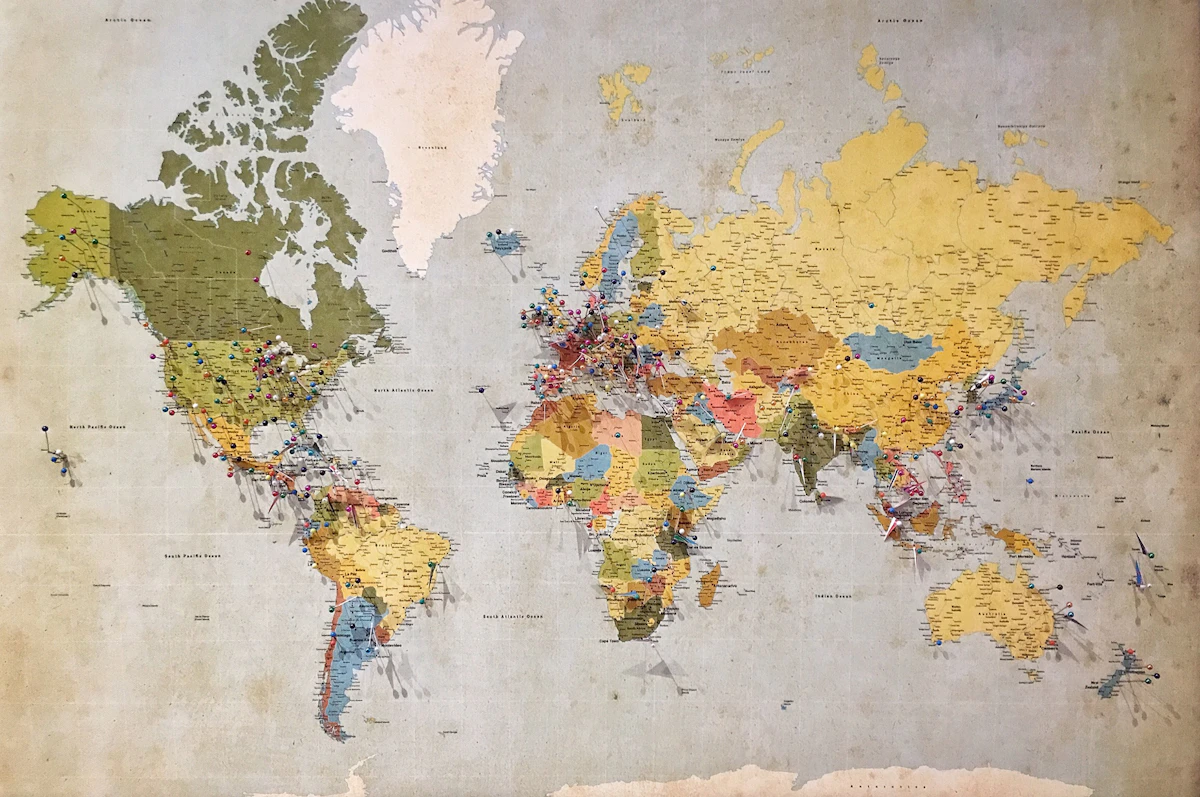
Picking a random country can be for a quiz, classroom activity, travel prompt, writing challenge, game night, or research warm-up. It sounds simple: choose one country from a list. But if the list is incomplete or the random method is biased, the result is less fair than it looks.
A random country picker gives you a transparent way to choose from the 193 UN member states plus 2 observer states, with optional region filters and a clear selection method.
What random country picking involves
The first decision is the list. Some country lists include territories, dependencies, or disputed areas. Others use only sovereign states. For many general tasks, the 195-country list is a clear baseline because it includes UN members plus observers.
The second decision is randomness. A fair picker should not make some countries more likely than others because of a shortcut in the code. When a tool uses rejection sampling over a cryptographic random source, it avoids the common modulo bias problem.
Why people get stuck here
People often use a search result, a spreadsheet formula, or a quick script without checking the list behind it. That can accidentally exclude countries or include places outside the intended scope.
Filtering also matters. If you want a country from Asia, Europe, or Africa, it should be randomly selected from that region only, not selected globally and then rejected manually until one fits.
| Choice | Better Practice |
|---|---|
| Country list | Use a stated list, such as 195 countries |
| Random source | Use a method designed to avoid selection bias |
| Region filter | Filter first, then pick randomly |
| Repeat picks | Decide whether replacement is allowed |
What a good random pick looks like
The list is defined
You should know whether the picker uses UN members, observers, territories, or another source.
The method is fair
Each eligible country should have the same chance of being selected. That requires more care than a quick modulo operation.
Filters are clear
If you apply a region filter, the result should come from that filtered pool only.
Common mistakes to avoid
- Mixing countries and territories without noticing. That changes the probability pool.
- Picking repeatedly without replacement by accident. Decide whether previous picks should remain available.
- Using a biased random method. Shortcuts can make early items in a list slightly more likely.
- Forgetting to state the rule. In a classroom or game, people may ask what counted as eligible.
How to do it with Random Country Picker
- Open the free Random Country Picker.
- Choose whether you want the full 195-country list or a region-filtered list.
- Decide whether repeated picks should be allowed.
- Generate a random country.
- Use the result for your quiz, prompt, activity, or planning exercise.
The tool states the method and runs in your browser, so the selection is easier to explain.
Frequently asked questions
Why 195 countries?
That common count includes 193 UN member states plus 2 observer states.
Can I pick by region?
Yes. Region filtering helps when the activity needs a country from a specific part of the world.
What does “without replacement” mean?
It means a country that has already been picked is removed from later picks until the list resets.
Final thought
Random selection feels simple, but a fair result depends on the list and method. Use a picker that makes both visible.