 Online Tool Store
· 4 min read
How to Generate a Printable Calligraphy Practice Sheet
Heshan Fernando
Co-founder & COO
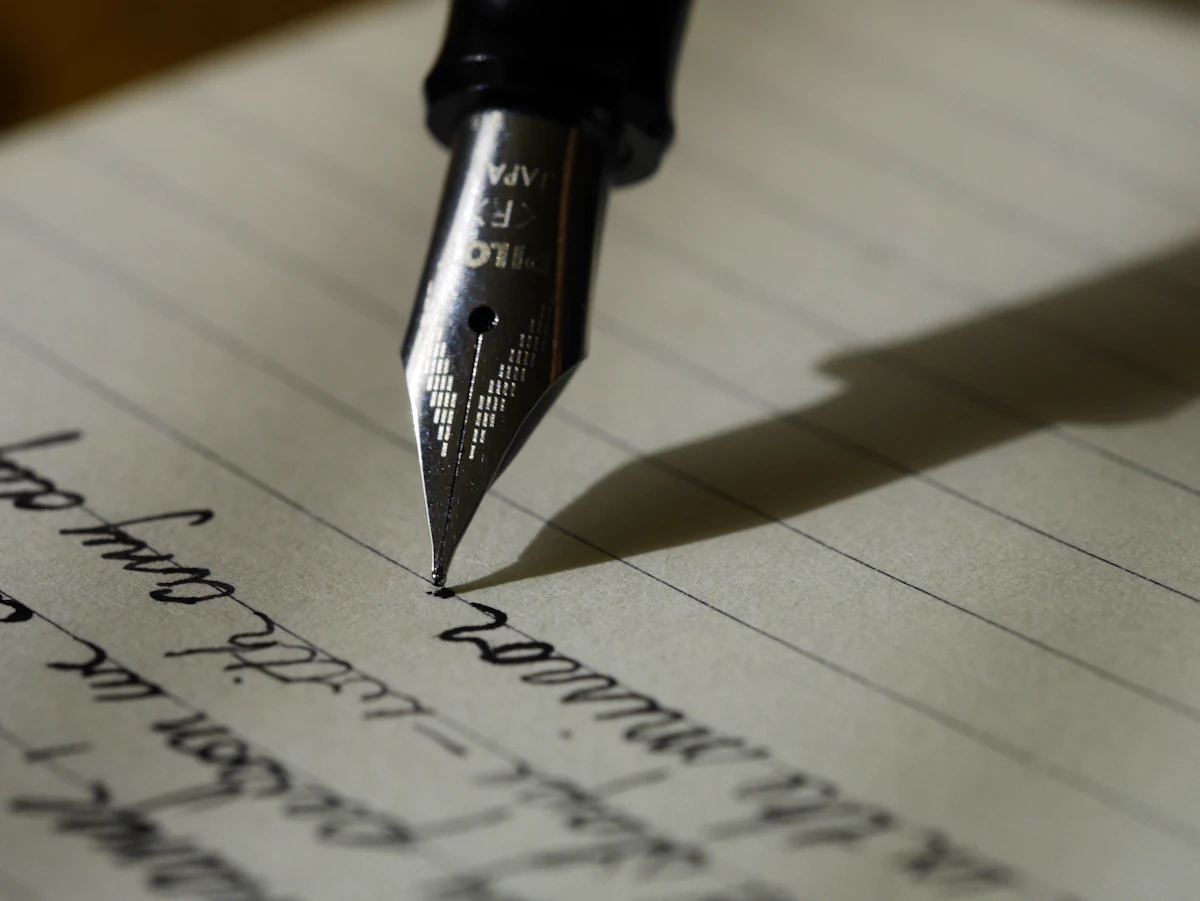
Practicing calligraphy on plain paper means guessing at consistent letter height and slant angle freehand, which is exactly the kind of consistency calligraphy actually depends on to look intentional rather than uneven. A proper guide sheet — with baseline lines marking letter height and slant lines at the correct angle for the specific script style being practiced — gives the structural reference that lets a practicing hand focus on stroke technique instead of also having to maintain consistent sizing and angle from memory on every single line.
Different calligraphy styles use genuinely different slant angles, so a generic guide sheet not matched to the specific script being practiced doesn’t actually provide the right structural reference.
What a properly structured calligraphy guide sheet actually provides
A guide sheet needs baseline lines that establish consistent letter height across the page, giving a visual reference for where letters should sit and how tall they should be, which is one of the harder things to maintain consistently freehand. It also needs slant lines set at the correct angle for the specific calligraphy style being practiced — copperplate and other pointed-pen scripts typically use a fairly steep slant angle, while other styles use different angles entirely, and a guide sheet with the wrong slant doesn’t actually support the specific script it’s meant to help with. Getting both the letter height and slant angle set correctly and consistently across the full page is what turns a blank sheet of paper into an actual practice tool, rather than just faint reference lines that don’t match what the specific script style actually requires.
This matters especially for beginners, where the structural support of correct baseline and slant guides makes the difference between building consistent muscle memory and just practicing inconsistency repeatedly.
Why people get stuck here
- Freehand practice without guide lines makes consistent letter height genuinely hard. Without a baseline reference, maintaining the same letter height across a full line or page, freehand, is difficult even for someone with decent hand control.
- Different calligraphy styles require different slant angles. A guide sheet with a generic or mismatched slant angle doesn’t actually provide useful structural support for the specific script style being practiced.
- A guide sheet needs to apply consistently across the whole page. Baseline and slant lines that drift or aren’t uniform undermine the whole point of having a structural reference in the first place.
- Beginners specifically benefit from accurate structural guides. Without correct baseline and slant support, early practice risks building inconsistent muscle memory that’s harder to correct later.
What a good calligraphy guide sheet generator looks like
Sets baseline lines at a consistent, chosen letter height
Providing an accurate, consistent height reference across the page is what actually supports building uniform letter sizing through practice.
Applies the correct slant angle for your chosen style
Matching the slant lines to the specific angle your script style actually requires is what makes the guide genuinely useful, not just generically ruled paper.
Produces a clean, printable sheet ready to use
A properly formatted printable result means the guide sheet is immediately usable for actual practice, not just a digital reference.
Common mistakes to avoid
- Practicing calligraphy freehand without any baseline or slant guide, making consistent height and angle harder to maintain.
- Using a generic guide sheet with a slant angle that doesn’t match the specific calligraphy style being practiced.
- Not checking that guide lines stay consistent across the entire practice sheet.
- Assuming any ruled paper is an adequate substitute for a properly angled calligraphy guide sheet.
How to do it with Calligraphy Guide Sheet
Online Tool Store’s Calligraphy Guide Sheet lets you choose a slant angle and letter height to generate a printable calligraphy guide sheet with baseline and slant lines, entirely in your browser.
- Choose your desired letter height.
- Set the slant angle for your specific calligraphy style.
- Generate the guide sheet.
- Print it and start practicing with accurate structural guides.
Because the baseline height and slant angle are set specifically for your chosen style and applied consistently across the page, the resulting sheet actually supports building consistent calligraphy technique.
Frequently asked questions
Why does slant angle matter for calligraphy practice?
Different calligraphy styles — like copperplate and other pointed-pen scripts — use specific, often steep slant angles, and a guide sheet with the wrong angle doesn’t provide useful structural support for practicing that particular style correctly.
Can I set a custom letter height?
Yes — you can choose the letter height that fits your specific practice needs, whether you’re working on a larger scale for learning basic strokes or a smaller scale closer to finished lettering size.
Is a guide sheet actually necessary, or can I practice on plain paper?
A guide sheet provides consistent baseline and slant reference that’s genuinely difficult to maintain freehand, especially for beginners, and using one helps build more consistent muscle memory than practicing without structural support.
Final thought
Consistent calligraphy depends on structural guides that match the specific script’s letter height and slant angle, not generic ruled paper. Generate the right guide sheet, print it, and practice with the reference your style actually needs.